
Frames
Opening and installation parts such as L-frame, Z-frame, T-post, hanging strip, and light stop references.


Browse component groups for complete plantation shutter component programs, including panel parts, opening frames, straight S4S stock, sill plate, and tilt rod references.
Review product proof & packaging before sending an RFQ.
Opening and installation parts such as L-frame, Z-frame, T-post, hanging strip, and light stop references.
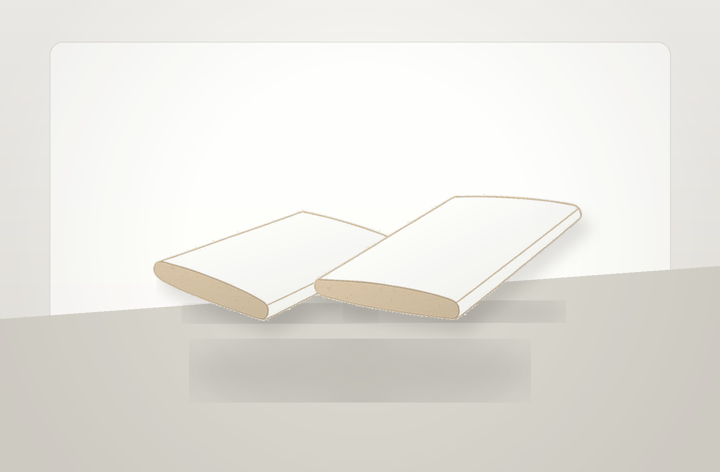
Movable louver slats that rotate between the left and right stiles in a shutter panel.
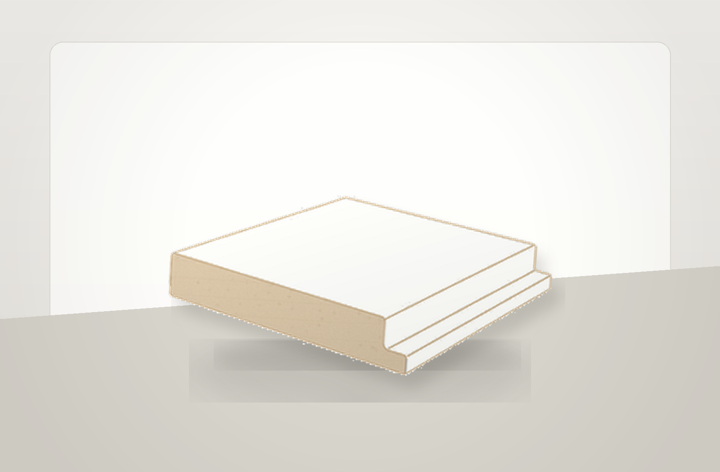
Horizontal panel members, including top rail, bottom rail, and divider rail references.
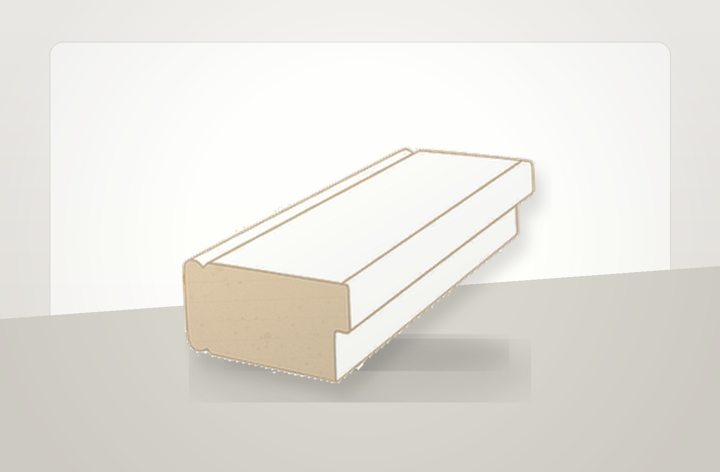
Vertical side members where louvers pin or rotate between the stiles.
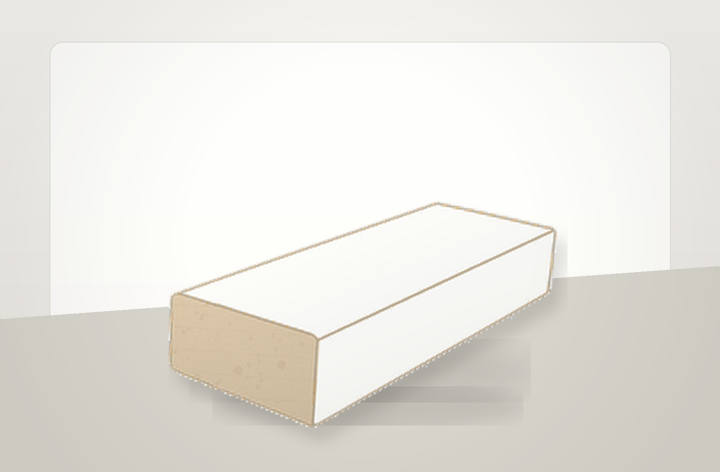
Surfaced-four-sides straight square stock used in shutter component programs.
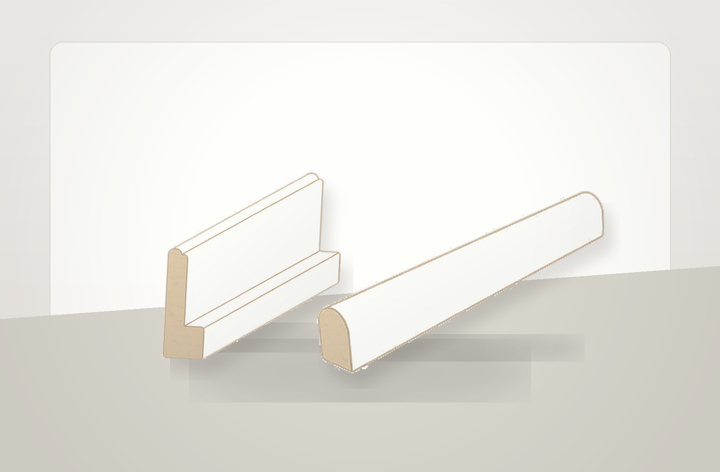
Sill plate and tilt rod are different shutter parts and should be reviewed separately.
Shutter components are profile parts used to build complete plantation shutter component programs. Some parts belong to the shutter panel, while other parts belong to the opening or installation system.
Panel parts and installation parts should be kept separate: louvers rotate between the stiles, rails form the top, bottom, or divider structure, frames mount around the window opening, and tilt rods link the louvers so they move together. Sill plate is not the same part as a tilt rod when preparing an RFQ.
These parts should be identified by shutter component family, function, and profile code. They should not be renamed as baseboard, casing, or generic moulding when the visible product body belongs to a shutter system.
Read the shutter components buyer guide | View shutter components in Product Finder | Open the shutter component catalog
The current shutter component catalog groups profile references by component family so buyers can separate panel parts from opening frames and accessory-like items.
Use the public catalog material label, profile code, dimensions, component family, quantity, packing, and destination details when preparing an RFQ.
For matched shutter programs, send the full component group and explain which frames, louvers, rails, stiles, S4S, sill plate, and tilt rod references need to work together.
For shutter component review, send the component family and profile code when available. A clear drawing or catalog reference helps avoid confusing panel louvers, rails, and stiles with opening frames, straight S4S stock, sill plate, or tilt rod items.
Frames, louver blades, rails, stiles, S4S, sill plate, and tilt rod references are grouped for profile review. The current shutter component catalog uses Primed Basswood as the public material label.
Use the visible section and profile code before making product-family assumptions.
If the inquiry covers a full shutter program, send the component list together instead of treating each profile as unrelated moulding. This helps keep opening frames, panel louvers, rails, stiles, S4S, sill plate, and tilt rod requirements aligned.
The most useful details are profile code, component family, drawing or section photo, dimensions, material, coating, quantity, packing notes, destination, and whether the part is used in the panel or around the window opening.
They can be part of one shutter program, but each component family should stay clearly identified. Frames sit around the opening. Louvers, rails, stiles, and tilt rods relate to panel function.
No. Shutter components should be treated as shutter parts and matched by profile code or component family.
Either is fine. Send one component when only one profile needs review. Send the full component group when frames, louvers, rails, stiles, S4S, sill plate, and tilt rod references need to match as a program.
Do not label shutter components as baseboard, casing, or generic moulding. Use the shutter component family, profile code, dimensions, material label, quantity, packing, and destination instead.
Send the catalog codes or drawings, target material and finish, quantity, packing notes, and destination details. We will review the requirement and reply with the next step.
Send Your Requirement